
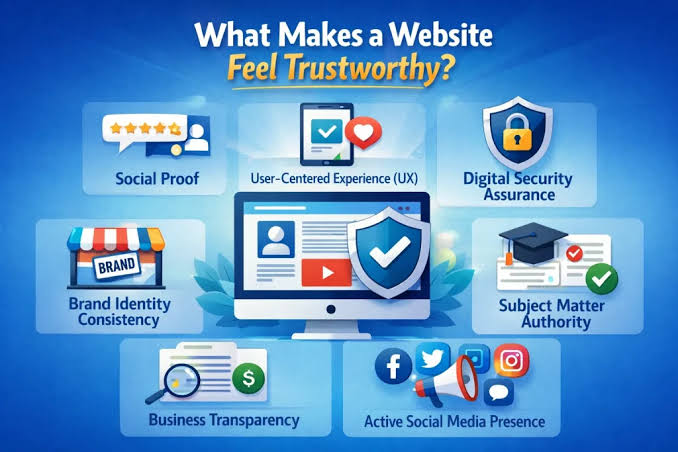
What Makes an Informational Website Trustworthy
In today’s digital world, people rely on websites for information about health, technology, education, business, travel, and countless other topics. With so much content available online, users must decide which sources they can trust. A trustworthy informational website helps readers find accurate, useful, and reliable information without confusion. Websites such as https://socialhubin.com/ and other content platforms demonstrate how online resources can provide valuable information when they focus on quality and user trust. Understanding What Makes an Informational Website Trustworthy is important for both website owners and internet users who want dependable online content.
Why Trust Matters in Online Information
The internet contains billions of web pages.
Some provide accurate information.
Others contain outdated, misleading, or incorrect content.
Trust helps users determine which websites deserve attention.
A trustworthy website builds confidence.
Readers are more likely to return when they believe the information is reliable.
Trust also improves a website’s reputation and long-term success.
Understanding What Makes an Informational Website Trustworthy
To understand What Makes an Informational Website Trustworthy, it is important to look at several key factors.
Trust does not come from a single feature.
Instead, it develops through a combination of quality content, transparency, accuracy, and user experience.
When these elements work together, readers feel confident using the website as a source of information.
Accurate and Reliable Information
Accuracy is the foundation of trust.
Readers expect information to be correct.
A trustworthy website carefully checks facts before publishing content.
Reliable information helps users make informed decisions.
Inaccurate information can damage credibility and reduce user confidence.
Consistent accuracy encourages repeat visits.
Clear and Honest Content
Readers appreciate honesty.
Trustworthy websites avoid misleading headlines and exaggerated claims.
They present information clearly and directly.
Content should answer questions without creating confusion.
Honest communication helps build stronger relationships with readers.
Transparency supports long-term credibility.
What Makes an Informational Website Trustworthy: Author Expertise
Author expertise plays an important role in content quality.
Readers often want to know who created the information.
Expert writers bring knowledge and experience to their topics.
Websites that showcase author qualifications often appear more trustworthy.
Expertise reassures users that content comes from informed sources.
It also improves overall content value.
Updated and Fresh Information
Information changes over time.
Technology evolves.
Business practices change.
New research becomes available.
Trustworthy websites regularly update their content.
Fresh information helps readers stay informed and avoid outdated advice.
Regular updates demonstrate commitment to accuracy.
Easy-to-Understand Writing
Complex language can confuse readers.
Trustworthy websites use clear and simple writing.
Readers should understand information without struggling.
Simple language improves accessibility.
It allows both native and non-native speakers to benefit from the content.
Easy readability also enhances user experience.
Strong Website Security
Security contributes to trust.
Users want confidence that their information remains safe.
Secure websites typically protect user data through modern security measures.
Visitors often feel more comfortable interacting with secure platforms.
Website security supports both user trust and brand reputation.
Professional Website Design
Design influences first impressions.
A clean and organized website appears more trustworthy than a poorly designed one.
Professional design includes:
- Clear navigation
- Readable fonts
- Fast loading pages
- Mobile responsiveness
A positive user experience helps build confidence.
Good design also encourages visitors to stay longer.
What Makes an Informational Website Trustworthy Through Transparency
Transparency is another key factor in What Makes an Informational Website Trustworthy.
Readers want to know who operates the website.
Trustworthy websites often provide:
- About pages
- Contact information
- Editorial policies
- Author details
Transparency shows accountability.
It demonstrates that the website stands behind its content.
Consistent Content Quality
Consistency matters.
Readers expect reliable quality across all articles.
A trustworthy website maintains high standards for every piece of content.
Consistency includes:
- Accurate information
- Clear writing
- Useful insights
- Professional presentation
Maintaining quality helps build a strong reputation.
Readers learn what to expect from the website.
User-Friendly Navigation
Visitors should find information easily.
Complicated navigation creates frustration.
Trustworthy websites organize content logically.
Important information should be accessible within a few clicks.
User-friendly navigation improves satisfaction and encourages repeat visits.
It also helps search engines understand website structure.
Positive User Experience
User experience affects how visitors perceive a website.
A positive experience includes:
- Fast page loading
- Mobile compatibility
- Clear layouts
- Minimal distractions
Users are more likely to trust websites that function smoothly.
Good experiences create lasting impressions.
Helpful and Valuable Content
Readers visit informational websites to solve problems.
Trustworthy websites focus on helping users.
Content should provide practical value.
Examples include:
- Guides
- Tutorials
- Tips
- Explanations
- Educational resources
Useful information encourages readers to return.
Value is one of the strongest trust-building factors.
What Makes an Informational Website Trustworthy in Search Engines
Search engines also evaluate trustworthiness.
Quality websites often perform better in search results.
Search engines consider factors such as:
- Content quality
- Expertise
- User experience
- Website reputation
Strong trust signals help improve visibility.
This creates benefits for both publishers and users.
Transparency About Advertising
Many websites display advertisements.
Trustworthy sites clearly separate advertising from editorial content.
Readers should understand when content is sponsored.
Transparency about advertising reduces confusion.
It helps maintain credibility and user trust.
Clear disclosure demonstrates honesty.
Responsive Customer Support
Some informational websites provide support channels.
These may include:
- Email support
- Contact forms
- Help centers
Responsive communication shows professionalism.
It also reassures users that assistance is available when needed.
Support systems contribute to overall trustworthiness.
Positive Reputation and Reviews
Reputation matters online.
Readers often evaluate websites based on public perception.
Positive reviews and recommendations can strengthen credibility.
A strong reputation develops over time.
Consistent quality and reliability help build positive user opinions.
Trustworthy websites earn respect through performance.
Mobile-Friendly Experiences
Most internet users access content through smartphones.
Mobile-friendly websites provide better experiences.
Features include:
- Responsive layouts
- Easy navigation
- Fast loading times
Mobile optimization improves accessibility.
It also demonstrates attention to user needs.
Modern readers expect smooth mobile experiences.
Avoiding Sensationalism
Trustworthy websites avoid unnecessary sensationalism.
Clickbait headlines may generate short-term traffic.
However, they often damage long-term credibility.
Readers prefer accurate headlines that match the content.
Honest presentation builds stronger trust.
Consistency between headlines and information is important.
Accessibility for All Users
Accessibility helps websites serve diverse audiences.
Features may include:
- Readable text
- Clear formatting
- Alternative image descriptions
- Keyboard navigation support
Accessible websites create inclusive experiences.
This demonstrates commitment to helping all users.
Inclusivity strengthens trust and user satisfaction.
The Role of Expertise, Experience, Authority, and Trust
Many successful websites focus on demonstrating:
- Expertise
- Experience
- Authority
- Trustworthiness
These principles help readers evaluate content quality.
Websites that consistently demonstrate these qualities often earn stronger reputations.
They become trusted sources within their industries.
Future Trends in Website Trust
Trust will remain important as digital content grows.
Future trends may include:
- Greater transparency
- Enhanced fact-checking
- Artificial intelligence verification
- Improved security measures
- Personalized user experiences
These developments will help users identify reliable information more easily.
Trustworthy websites will continue adapting to changing expectations.
Why Website Owners Should Prioritize Trust
Trust directly impacts website success.
Trusted websites often achieve:
- Higher traffic
- Better engagement
- Increased loyalty
- Stronger brand recognition
Building trust requires consistent effort.
However, the long-term benefits make it worthwhile.
Trust remains one of the most valuable assets a website can develop.
Conclusion
Read the full guide to better understand What Makes an Informational Website Trustworthy and why trust plays such an important role in the digital world. Accurate information, transparency, expert content, strong security, positive user experience, and consistent quality all contribute to website credibility. Readers depend on trustworthy websites to make informed decisions and solve problems effectively. As online content continues to grow, understanding What Makes an Informational Website Trustworthy becomes increasingly important for publishers, businesses, educators, and everyday internet users seeking reliable information and meaningful online experiences.