How Chilled Storage Protects Food Quality, Safety, and Shelf Life
Fresh food begins to lose quality as soon as it is harvested, processed, or prepared. Temperature control slows this process by reducing microbial growth, moisture loss, oxidation, and enzyme activity.
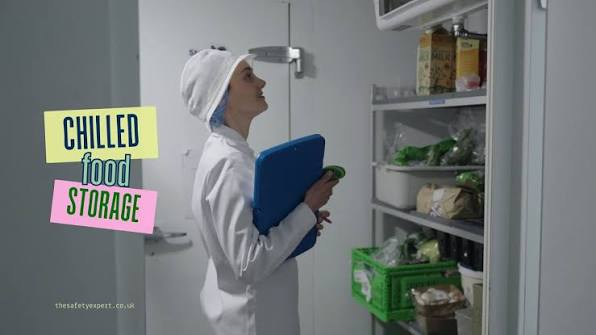
A properly designed chiller room provides a stable refrigerated environment for storing ingredients, prepared foods, beverages, dairy products, meat, seafood, fruits, and vegetables. For food businesses, it supports safer storage while helping products maintain their texture, color, flavor, and market value.
Why Chilled Storage Matters in Food Businesses
Food products react differently to temperature changes. Meat and seafood can develop harmful bacteria when stored too warmly, while fruits and vegetables may lose moisture or suffer cold damage when conditions are too low.
Consistent cooling is especially important for restaurants, supermarkets, bakeries, hotels, catering companies, food factories, and distribution centers.
Reliable chilled storage can help businesses:
- Reduce food spoilage and unnecessary disposal
- Maintain stable product quality between deliveries
- Organize ingredients by category and storage condition
- Improve stock rotation and inventory control
- Support food hygiene and safety procedures
- Handle larger purchasing and production volumes
Recommended Temperatures for Different Foods
There is no single storage temperature suitable for every food product. Each category has different requirements based on moisture, fat content, microbial sensitivity, and expected storage time.
| Food Category | Typical Chilled Temperature | Main Storage Purpose |
| Fresh meat | 0°C to 4°C | Slow bacterial growth and color changes |
| Seafood | 0°C to 2°C | Preserve freshness and reduce odor development |
| Dairy products | 1°C to 5°C | Maintain texture, taste, and product stability |
| Prepared foods | 1°C to 5°C | Support safe short-term storage |
| Fruits and vegetables | 4°C to 10°C | Reduce moisture loss and ripening speed |
| Beverages | 2°C to 8°C | Maintain serving quality and product consistency |
These ranges are general references. Storage conditions should always follow the requirements of the specific food, packaging method, and local food safety regulations.
How Chiller Rooms Preserve Food Quality
Slower Microbial Growth
Low temperatures slow the reproduction of many bacteria, yeasts, and molds. Refrigeration does not completely eliminate microorganisms, but it gives food businesses more time to store, prepare, transport, and sell products safely.
Better Moisture Retention
Food can dry out when airflow is excessive or humidity is too low. Correct air circulation and humidity control help vegetables stay crisp, meat maintain weight, and prepared foods retain their intended texture.
Reduced Oxidation
Oxidation can cause discoloration, flavor changes, and nutrient loss. A stable chilled environment slows chemical reactions, helping products look and taste fresher for longer.
More Consistent Production
Commercial kitchens and food factories often prepare ingredients before they are needed. Chilled storage allows products to be arranged by production date, batch, or menu requirement, making daily operations more organized.
Important Chiller Room Design Features
A food storage chiller should be selected according to room size, product type, daily loading volume, door-opening frequency, and required temperature.
Insulated wall and ceiling panels reduce heat transfer from the surrounding environment. The floor should be durable, easy to clean, slip-resistant, and suitable for carrying loaded racks or trolleys.
The refrigeration unit must provide enough cooling capacity for both the room and the stored products. Freshly delivered food may introduce additional heat, especially when large quantities enter the room at the same time.
Shelving should keep food away from walls and floors so that cold air can circulate properly. Stainless steel or food-grade shelving is often preferred because it is durable and easier to clean.
For facilities that regularly move pallets, carts, or large ingredient containers, a walk in chiller room can provide more practical access and better stock organization than several small refrigeration cabinets.
Preventing Common Food Storage Problems
Overloading is one of the most common causes of uneven cooling. When cartons or containers block the evaporator or airflow passages, some areas may become warmer than others.
Self-closing doors, strip curtains, and clear storage procedures can reduce these temperature fluctuations.
Raw and cooked foods should be separated to lower the risk of cross-contamination. Meat and seafood should be stored in sealed containers and placed below ready-to-eat products so that accidental leakage cannot affect other food.
Businesses should also follow the first-in, first-out method. Clear labels showing delivery, preparation, and expiry dates make stock easier to inspect and reduce avoidable waste.
Cleaning and Maintenance
Regular cleaning is essential for controlling odors, spills, mold, and contamination. Floors, shelves, door seals, drains, and wall surfaces should be included in a scheduled cleaning plan.
Temperature sensors should be checked regularly, and operators should record storage temperatures throughout the day. Sudden changes may indicate an open door, damaged seal, blocked evaporator, refrigerant issue, or equipment fault.
Condenser coils, fans, and drainage systems also require routine inspection. Preventive maintenance helps reduce energy consumption and lowers the risk of refrigeration failure during busy production periods.
Choosing the Right Chilled Storage Solution
The best system depends on the type and quantity of food being stored. A small bakery may need compact storage for cream, butter, and prepared fillings, while a meat processor may require separate temperature zones for raw materials and finished products.
Before working with a cold room manufacturer, food businesses should confirm the required room dimensions, storage temperature, insulation thickness, refrigeration capacity, shelving layout, door type, drainage design, and monitoring system.
A well-planned chiller room does more than keep food cold. It protects product quality, supports safer handling, improves inventory management, and creates a more reliable foundation for daily food operations.