Juice Packaging Trends: From Fresh Taste to Efficient Bottling
Juice packaging is changing quickly as beverage brands look for better ways to protect flavor, improve shelf appeal, and increase production efficiency. Today’s consumers want juice that tastes fresh, looks natural, and feels convenient to carry. At the same time, manufacturers need packaging solutions that support faster filling, safer sealing, lower waste, and flexible production for different bottle sizes and product types.
Fresh Taste Comes First
For juice products, packaging is not only about appearance. It directly affects taste, aroma, color, and shelf life. Many juices contain natural fruit acids, pulp, vitamins, and flavors that can be sensitive to oxygen, light, and temperature. Poor packaging may lead to flavor loss, color changes, or shorter storage life.
This is why brands are paying more attention to oxygen control, hygienic filling, and suitable bottle materials. PET bottles remain popular because they are lightweight, transparent, and easy to transport. Glass bottles are still used for premium juices because they create a high-end image and offer good product visibility. Some brands also use cartons or pouches for family-size products, children’s drinks, and on-the-go consumption.
Clean Label Packaging Design
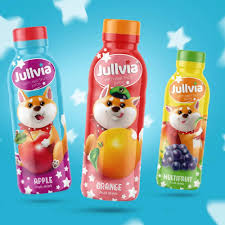
Modern consumers often prefer juice products that look natural and healthy. As a result, packaging design is becoming simpler, cleaner, and more transparent. Clear bottles, light colors, fruit imagery, and minimal labels are commonly used to show freshness and purity.
Brands are also using packaging to communicate key selling points, such as no added sugar, cold-pressed process, organic ingredients, high vitamin content, or real fruit pulp. A clean packaging style helps build trust and makes the product easier to understand on crowded retail shelves.
Convenience Drives Bottle Innovation
Convenience is another major packaging trend. Consumers want juice bottles that are easy to open, reseal, carry, and drink from. Small PET bottles are widely used for single-serve juice products, while larger bottles are popular for family consumption.
Bottle shape also plays an important role. Slim bottles are suitable for vending machines and convenience stores. Wide-mouth bottles are useful for juice with pulp or smoothies. Grip-friendly designs improve the user experience, especially for larger bottles.
For manufacturers, bottle design must balance appearance with production efficiency. A beautiful bottle that is difficult to fill, cap, label, or pack may increase production costs. Therefore, packaging development should consider both marketing value and line compatibility.
Sustainability Becomes More Important
Sustainable packaging is now a key direction in the juice industry. Many brands are reducing bottle weight, using recyclable materials, and exploring recycled PET. Lightweight bottles help reduce material use and transportation costs, while recyclable packaging supports environmental goals.
However, sustainability must not weaken product protection. Juice still needs proper sealing, hygiene, and shelf-life control. The best packaging solutions combine eco-friendly materials with reliable performance.
Efficient Bottling Supports Market Growth
As juice brands expand product lines, production flexibility becomes more important. Manufacturers may need to fill different bottle sizes, flavors, juice textures, and packaging formats. A reliable juice bottling machine can help improve filling accuracy, reduce product loss, and support stable output for daily production.
Automation is especially valuable for medium and large juice factories. Automatic rinsing, filling, capping, labeling, and packing systems can reduce labor dependence and improve hygiene control. For smaller brands, flexible equipment can help them start with limited capacity and scale up as demand grows.
Integrated Filling Systems
Many beverage factories prefer integrated equipment because it saves space and improves production flow. A monoblock filling machine combines several key processes into one compact system, such as rinsing, filling, and capping. This type of design can reduce bottle transfer steps, improve cleanliness, and make the production line easier to manage.
Integrated systems are especially useful for juice products that require stable filling conditions. They can help reduce contamination risks, improve speed consistency, and support better packaging quality.
Packaging Must Match Product Type
Different juice products need different packaging strategies. Clear fruit juice may focus on transparency and bright color display. Juice with pulp may need wider filling channels and stronger mixing control. Cold-pressed juice may require packaging that supports freshness and premium positioning. Concentrated juice may use larger bottles or bulk packaging for food service buyers.
Choosing the right packaging depends on product formula, shelf-life target, sales channel, and production capacity. A good packaging plan should consider both consumer experience and factory operation.
Conclusion
Juice packaging trends are moving toward freshness, convenience, sustainability, and efficiency. Consumers want natural-looking products with fresh taste and easy use, while manufacturers need stable, hygienic, and flexible bottling solutions. By combining attractive packaging design with efficient production equipment, juice brands can improve product quality, reduce costs, and respond faster to changing market demand.
read more : All-In No Pork Overload