Palm Oil in Confectionery: From Chocolate Fillings to Creamy Snacks
Palm oil plays an important role in the confectionery industry, especially in products that require smooth texture, stable structure, and pleasant mouthfeel. From chocolate fillings and wafer creams to biscuits, spreads, and creamy snacks, palm oil helps manufacturers create products that are attractive, consistent, and suitable for modern food production.
Why Palm Oil Is Used in Confectionery
Stable Texture at Room Temperature
One of the main reasons palm oil is widely used in confectionery is its semi-solid nature at room temperature. This property makes it useful in fillings, coatings, and cream-based products where texture stability is essential.
Unlike some liquid oils, palm oil can help products maintain their shape without becoming too soft or oily. This is especially important for:
- Filled chocolates
- Sandwich biscuits
- Wafer creams
- Snack cakes
- Cream-filled rolls
- Coated confectionery snacks
These products must remain stable during storage, transportation, and retail display.
Smooth Mouthfeel and Creamy Structure
In chocolate fillings, palm oil can help create a creamy and smooth texture. Many filled chocolate products require a soft center that does not separate, melt too quickly, or become grainy. Palm-based fats can support a balanced texture, allowing the filling to feel rich while still being easy to process.
For manufacturers, this helps improve product consistency from batch to batch.
Palm Oil in Chocolate Fillings
Supporting Soft and Stable Centers
Chocolate fillings often need to balance softness, richness, and stability. If the filling is too hard, the product may not deliver a pleasant eating experience. If it is too soft, it may leak or lose shape.
Palm oil helps chocolate fillings by:
- Improving creaminess
- Supporting stable texture
- Reducing oil separation
- Helping flavors blend evenly
- Maintaining structure during storage
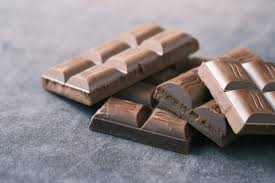
This makes it suitable for filled chocolates, pralines, chocolate bars, and cream-filled confectionery products.
Palm Oil in Wafer Creams and Biscuit Fillings
Helping Fillings Spread Evenly
Palm oil is also commonly used in wafer creams and biscuit fillings. These products need a filling that spreads evenly, holds flavor well, and stays stable between layers.
A good cream filling should not:
- Leak from the product
- Collapse between layers
- Make the biscuit soggy
- Become grainy over time
- Lose flavor during storage
Palm oil contributes to the right balance of firmness and smoothness, helping create snacks with a satisfying bite and longer shelf life.
Palm Oil in Creamy Snacks
Enhancing Taste and Product Structure
In creamy snacks, palm oil supports both taste and structure. Products such as cream-filled rolls, sandwich crackers, soft cakes, and coated snacks often depend on fats to deliver richness and mouthfeel.
Palm oil can carry flavors such as:
- Cocoa
- Vanilla
- Hazelnut
- Milk
- Coconut
- Fruit flavors
Its stability also helps reduce changes in texture over time, making it useful for products that need to stay fresh and appealing throughout their shelf life.
Processing Advantages for Food Manufacturers
Reliable Performance in Large-Scale Production
Another advantage of palm oil in confectionery is its processing performance. In large-scale food production, ingredients must work well with mixing, refining, pumping, filling, and cooling systems.
Palm oil’s stable behavior makes it easier to control during production. This can help manufacturers:
- Reduce production waste
- Improve filling accuracy
- Maintain consistent product quality
- Support higher production output
- Improve processing efficiency
For confectionery factories, stable raw materials are important for smooth and continuous production.
Shelf Life and Quality Stability
Protecting Flavor and Texture
Shelf life is another key reason manufacturers use palm oil. Confectionery products may travel long distances and sit on shelves for weeks or months before reaching consumers.
Ingredients must resist oxidation and maintain quality under different storage conditions. Palm oil offers good oxidative stability, helping protect flavor and texture during the product’s shelf life.
This is especially valuable for export products and mass-market snacks that need reliable quality in different climates and distribution environments.
read more : Blog About Pizza Wrap
Cost Efficiency in Confectionery Production
Balancing Quality and Production Cost
Cost efficiency is important in confectionery manufacturing. Food companies must balance product quality, production cost, and consumer expectations.
Palm oil is often considered a practical choice because it offers strong functional performance at a competitive cost. This allows manufacturers to produce affordable sweets and snacks while maintaining acceptable texture and quality.
Key cost-related benefits include:
- Stable supply
- Good processing performance
- Wide application range
- Competitive ingredient cost
- Reduced product quality variation
Responsible Sourcing and Processing
Meeting Modern Consumer Expectations
Using palm oil also requires responsible sourcing and proper processing. Consumers are paying more attention to sustainability, transparency, and environmental impact.
As a result, many food brands are looking for palm oil suppliers and processing partners that support traceability, responsible plantation practices, and efficient production.
Companies involved in palm oil equipment can help improve refining, fractionation, and processing performance, supporting cleaner and more consistent oil quality for food applications.
Quality Control in Palm Oil-Based Confectionery
Matching Oil Properties with Product Needs
For confectionery producers, quality control is essential. The melting point, solid fat content, color, odor, and purity of palm oil can affect the final product.
If the fat is not properly selected or processed:
- Chocolate fillings may become too hard or too soft
- Creamy snacks may lose smoothness
- Biscuit fillings may become unstable
- Flavor may change during storage
- Product appearance may be affected
This is why food manufacturers often work closely with oil processors and technical suppliers to match the right palm-based ingredients with specific recipes.
Customized Fat Solutions for Different Products
Blending and Fractionation
Palm oil can also be blended with other fats and oils to create customized solutions. In confectionery, no single fat works perfectly for every product.
Different products may require different fat properties:
- Chocolate fillings need smooth melting behavior
- Wafer creams need firmness and spreadability
- Biscuit fillings need stability
- Coatings need good surface appearance
- Creamy snacks need rich mouthfeel
Through blending and fractionation, manufacturers can adjust melting behavior, firmness, and texture to meet different product requirements.
Future Opportunities in Confectionery
Supporting Product Innovation
Innovation in confectionery continues to create new opportunities for palm oil applications. As consumers look for more convenient snacks, better textures, and new flavor experiences, manufacturers need ingredients that are flexible and reliable.
Palm oil supports this trend by offering versatility across many product types, from indulgent chocolate products to everyday creamy snacks.
At the same time, production technology is becoming more important. Reliable processing systems help ensure stable oil quality, efficient refining, and consistent output. Companies such as Vortech Global support the broader food processing industry by providing solutions that help producers improve production efficiency and product reliability.
Conclusion
Palm oil remains a valuable ingredient in confectionery because of its texture, stability, processing performance, and cost advantages. Whether used in chocolate fillings, wafer creams, biscuit centers, or creamy snack products, it helps manufacturers create enjoyable foods with consistent quality.
As the confectionery market continues to grow, responsible sourcing, advanced processing, and careful formulation will be key to making palm oil-based products more sustainable, reliable, and appealing to consumers.